

The Ray-Ban Meta smart glasses are now on their third generation. Meta launched the Ray-Ban Meta (Gen 3) at Meta Connect on September 23, 2026, starting at $449. It gets a longer 9 hour battery, a six-mic array, a customizable action button, and two new frame styles, Aviator and Zena.
I first covered the Ray-Ban Meta glasses when they replaced the Ray-Ban Stories in 2023 (you can read how Ray-Ban Meta compares to the Stories here).
This guide covers Gen 3: the price and release date, which features changed, how it compares to Gen 2 and Gen 1, and whether it’s worth buying.
Ray-Ban Meta Gen 3 Specs at a Glance
- Price: from $449 USD (CA$559 in Canada)
- Release date: September 23, 2026, on sale now
- Camera: 12 MP photos and 3K Ultra HD video
- Battery life: up to 9 hours (1 hour more than Gen 2)
- Microphones: six-mic array
- Styles: Wayfarer, Aviator and Zena, in 27 color and lens combinations
- Prescription lenses: supported
- New controls: customizable action button
What Are the Ray-Ban Meta Smart Glasses?
The Ray-Ban Meta Smart Glasses are camera and audio glasses made by Meta and EssilorLuxottica, the company behind Ray-Ban. From the outside they look like ordinary Ray-Bans, but the frame hides a camera, open-ear speakers, microphones, and Meta AI. Gen 3 is the third pair to carry the Ray-Ban Meta name, after Gen 1 in 2023 and Gen 2 in 2025, and the fourth Ray-Ban smart glasses overall if you count the original Stories.
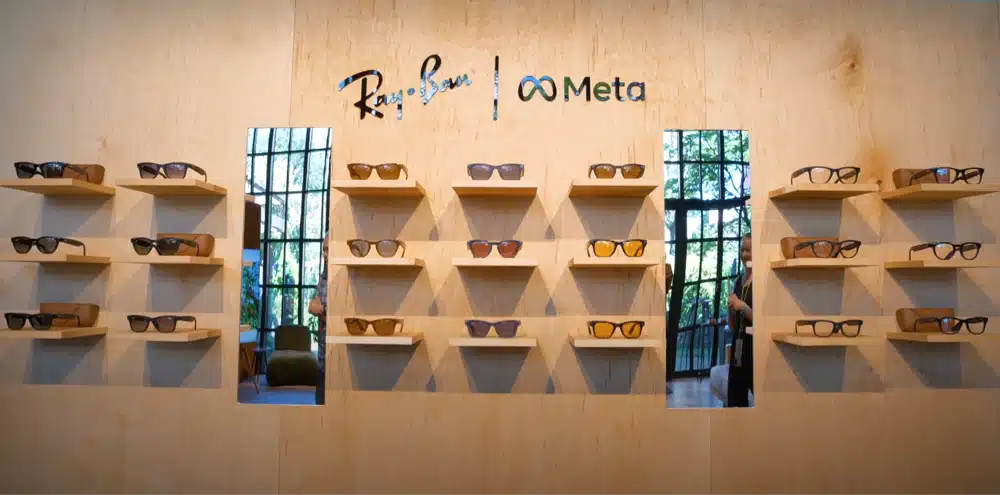
There’s no display. You control them with your voice and the buttons on the frame, and your photos and videos sync to the Meta AI app on your phone. If you want a screen in your glasses, that’s the separate Meta Ray-Ban Display, which now costs $799 in the US.
That hands-free angle is what sets these glasses apart. You don’t have to pull out a phone to capture a moment, whether you’re at a music festival, a birthday, or just trying smart eyewear for the first time, and the first-person footage feels closer to how you actually saw it.
Ray-Ban Meta Gen 3 Price and Release Date
Ray-Ban Meta Gen 3 Price in the USA
The Ray-Ban Meta Gen 3 starts at $449 USD. That’s $70 more than Gen 2’s $379 launch price and $150 more than the original Gen 1 at $299.
A few special versions sit either side of that price. Collaboration editions with Kylie Jenner and LISA of BLACKPINK start at $399, and a limited-time Aviator in milky beige with brown Transitions lenses costs $579. Prescription lenses add to the total.
Ray-Ban Meta Gen 3 Price in Canada
In Canada, Meta’s own store lists the Gen 3 from CA$559. Meta’s launch announcement didn’t include a full price list for other countries, so check Meta’s store or Ray-Ban’s site for your region before you buy.
Ray-Ban Meta Gen 3 Release Date
Meta announced the Gen 3 glasses during its Connect 2026 keynote on September 23, 2026, and they went on sale in the US that same day. Meta’s Canadian store is selling them too. Meta hasn’t confirmed dates for every other country yet. That includes India, where Gen 2 arrived a few months after its US launch.
Ray-Ban Meta Gen 3 Features and Specs
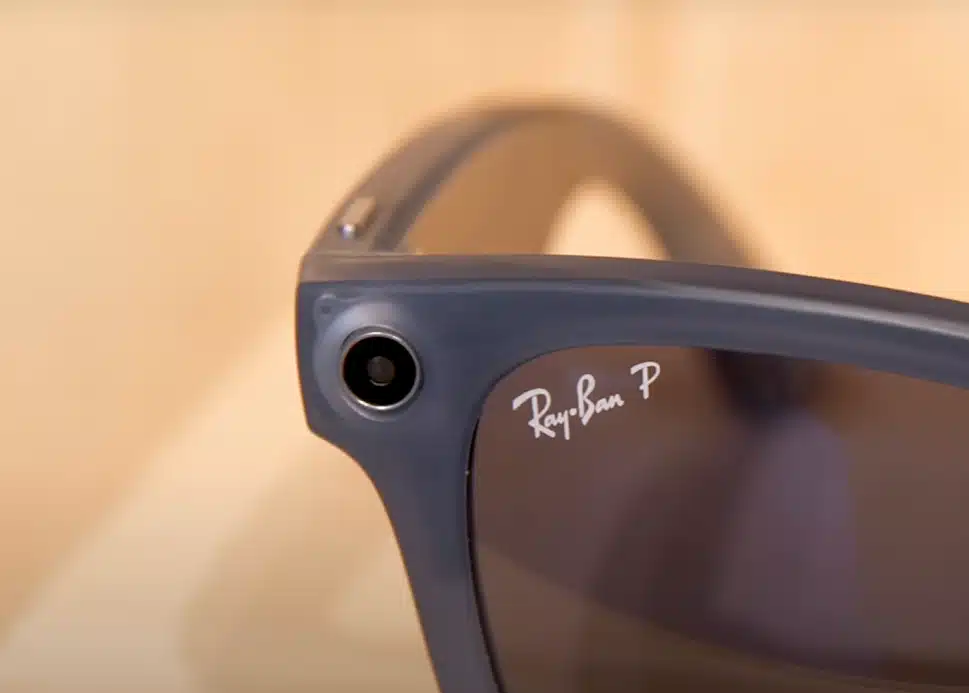
12 MP Camera and 3K Ultra HD Video
Gen 3 keeps a 12 MP camera and records 3K Ultra HD video, the same headline numbers as Gen 2. What’s new is dynamic photos: the glasses take several shots at once, and you pick the best one afterward. That’s handy when your subject won’t stay still.
Battery Life: Up to 9 Hours
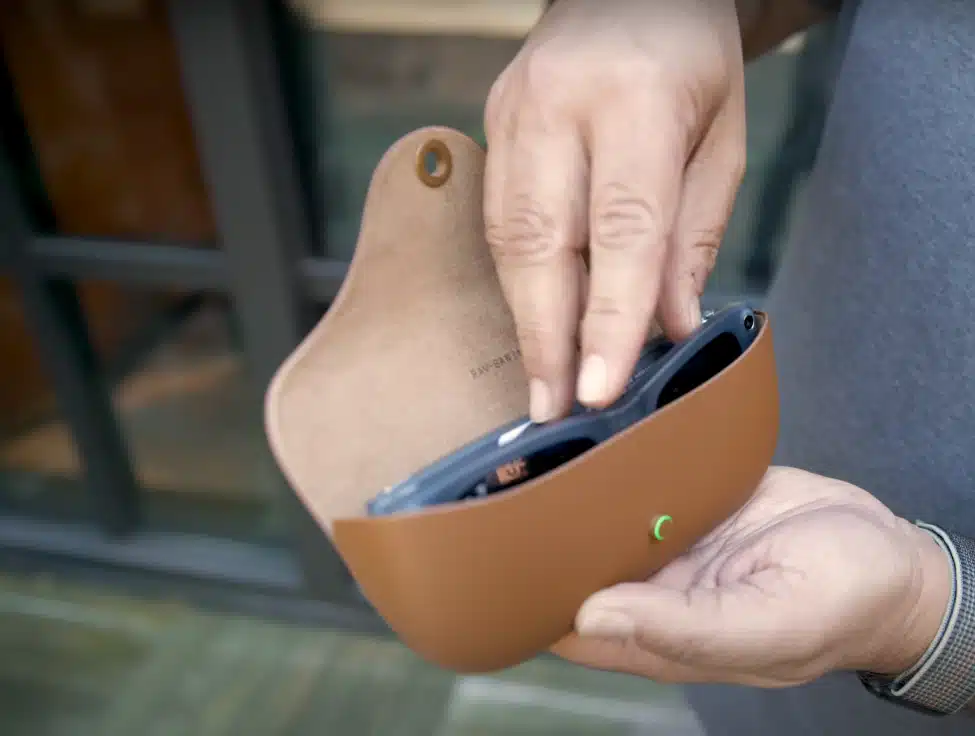
Meta rates Gen 3 for up to 9 hours of battery life. That’s one hour more than Gen 2 and about double the original Gen 1. Meta hasn’t published the Gen 3 charging case’s capacity yet; on Gen 2, the case added up to 48 hours.
The 9 hour figure is Meta’s typical-use number, though. Engadget’s reviewer got a little over 5 hours out of Gen 2 with continuous audio playback, so if you stream music or take calls all day, expect Gen 3 to fall short of 9 hours too.
Six-Mic Array and Spatial Audio Recording
Gen 3 adds a sixth microphone. Meta says the new array cuts more than 90% of background noise, which should help both your calls and Meta AI voice commands on a busy street.
The extra mics also enable spatial audio capture. Meta says Gen 3 is the first consumer device that can record video with Dolby Atmos and 360 degree spatial sound. Engadget reports the feature is still on its way rather than available on day one. If you film concerts or other events where the sound matters, that’s the feature to watch for.
Customizable Action Button and LED Indicator
A new action button can be set to trigger a specific Meta AI command, a capture mode, or another feature. There’s still an LED on the frame that lights up while you take photos or record, so people around you can tell when the camera is on.
Slimmer Design and Adjustable Temple Tips
Meta says Gen 3 is slimmer and more comfortable than Gen 2. An optician can now adjust the temple tips for a better fit, which is worth doing if older pairs pressed behind your ears.
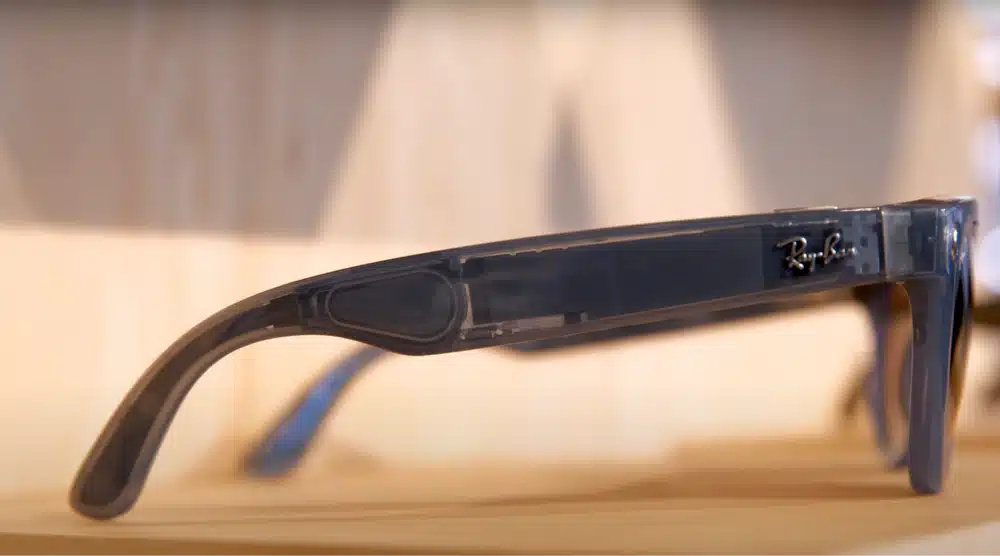
Speakers
These smart glasses feature custom-designed speakers that offer enhanced audio quality. Experience deeper bass, higher volume levels, and improved directional audio.
The speakers are tuned to keep sound leakage down, so your calls, music, and podcasts stay clear even in noisy places. Best of all, in most situations only you can hear them.
Meta AI
Ray-Ban Meta has Meta AI built in as a conversational assistant. Just say “Hey Meta” to ask questions, get information, or control the glasses by voice.
Meta AI uses generative AI to answer you, making a more personal experience than other voice assistants.
Ray-Ban Meta Gen 3 Styles: Wayfarer, Aviator and Zena
Gen 3 comes in three frame styles, with 27 color and lens combinations between them.
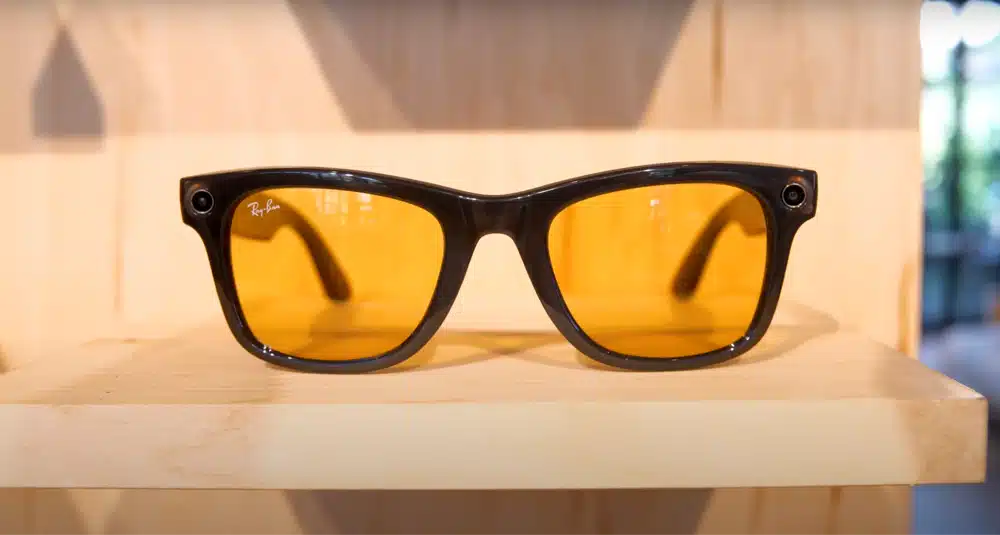
Wayfarer
The Wayfarer is the classic that has been a Ray-Ban staple for decades. The Meta version builds in the camera and speakers while keeping the shape fans expect.
If you want smart glasses that just look like your normal sunglasses and go with everything, the Wayfarer is the safe pick.
Aviator
Aviator is new to the Ray-Ban Meta line with Gen 3. It’s the classic teardrop pilot shape, and Ray-Ban also has a limited-edition vintage Aviator to mark the brand’s 90th anniversary.
Zena
Zena is the other new style, a bold cat-eye frame. It’s the most fashion-forward frame in the range, and a good alternative if the Wayfarer shape doesn’t suit your face.
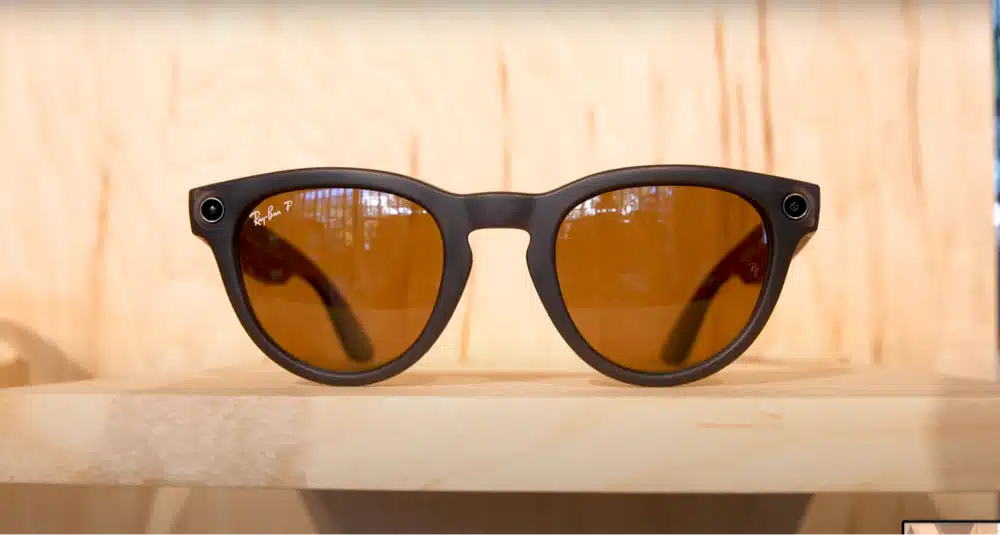
Headliner (Gen 1 and Gen 2)
The Headliner isn’t part of the Gen 3 lineup at launch, but you can still get the shape on Gen 2.
The Headliner has a retro-inspired look, for when you want something a bit different from the Wayfarer. It’s a tribute to vintage frames and stands out more in a modern setting.
Ray-Ban Meta Gen 3 vs Gen 2 vs Gen 1
The big jumps in video and battery came between Gen 1 and Gen 2. Gen 3 builds on that with better mics, the action button, and new styles.
| Gen 1 | Gen 2 | Gen 3 | |
|---|---|---|---|
| Launched | October 2023 | September 2025 | September 2026 |
| Launch price (US) | $299 | $379 | $449 |
| Camera | 12 MP | 12 MP | 12 MP |
| Video | 1080p | 3K Ultra HD, up to 60 fps | 3K Ultra HD |
| Battery (glasses) | About 4 hours | Up to 8 hours | Up to 9 hours |
| Charging case | Up to 8 extra charges (36 hours total) | Up to 48 extra hours | Not yet published |
| Microphones | 5 | 5 | 6 |
| Action button | No | No | Yes |
| Styles at launch | Wayfarer, Headliner | Wayfarer, Skyler, Headliner | Wayfarer, Aviator, Zena |
Ray-Ban Meta Gen 3 vs Gen 2: What’s the Difference?
Going from Gen 2 to Gen 3 is a small step. You get one more hour of battery, a sixth microphone for better noise reduction, the action button, dynamic photos, spatial audio recording, a slimmer frame, and the Aviator and Zena styles. The camera stays at 12 MP with 3K video.
If you already own Gen 2, I wouldn’t upgrade unless battery life or call quality in loud places bugs you every day. If you’re buying your first pair and like one of the new styles, get Gen 3. If price matters most, Gen 2 is still on sale.
Ray-Ban Meta Gen 3 vs Gen 1: Is It Worth Upgrading?
Coming from Gen 1, the jump is much bigger. Video goes from 1080p to 3K, battery life roughly doubles, and you get the extra mic, the action button, and the new styles. If your Gen 1 battery doesn’t last the way it used to, Gen 3 is a worthwhile upgrade.
How to Buy Ray-Ban Meta Gen 3
You can buy the Ray-Ban Meta Gen 3 from Meta’s online store, from Ray-Ban’s website and stores, and from major electronics retailers. If you need prescription lenses, check the lens options for your frame before you order.
Once they arrive, pair the glasses with the Meta AI app on your phone to set them up and import your photos and videos. Cases and lens protectors made for older models may not fit the new Aviator and Zena frames, so check compatibility first. Our best Ray-Ban Meta accessories guide is a good place to start.
Other Meta Glasses Announced at Connect 2026
Gen 3 wasn’t the only new pair. If it isn’t quite right for you, one of these might be:
- Ray-Ban Meta Audio ($349): camera-free glasses with open-ear audio and Meta AI. Up to 12 hours of battery, plus 48 more from the case, in a 43 g frame. Comes in Clubmaster and Burbank styles. A better fit if you mainly want music, calls, and Meta AI, or spend time where camera glasses aren’t welcome.
- Meta Adventurer ($249): the cheapest option, from Meta’s own glasses line.
- Meta Ray-Ban Display ($799 in the US): the only Meta glasses with a built-in screen. See our Meta Ray-Ban Display review or our Meta Ray-Ban Display vs Ray-Ban Meta comparison.
- Hearing Enhancement ($149.99 one-time): a paid feature launching in the US later this year, eligible for HSA/FSA reimbursement.
What I Like About the Ray-Ban Meta Smart Glasses
As someone who appreciates the fusion of fashion and technology, I find several compelling features that I truly like about the Ray-Ban Meta Smart Glasses:
Advanced Camera Capabilities
A camera in a pair of normal-looking sunglasses is still the main reason to buy these. The ultra-wide 12-megapixel camera captures moments from a first-person view that a phone can’t match, and Gen 3’s 3K video and dynamic photos make it easier to get a keeper.
Whether I’m exploring scenic landscapes or simply documenting everyday experiences, these glasses elevate my photography and videography game.
User-Friendly Button Controls
The capture button on the glasses makes capturing memories easy. One press takes a photo or starts a video, and the pulsing light shows when I’m recording, so I always know what the glasses are doing.
Gen 3’s action button adds a shortcut you can set up yourself, so the feature you use most is one press away.
Enhanced Audio Quality
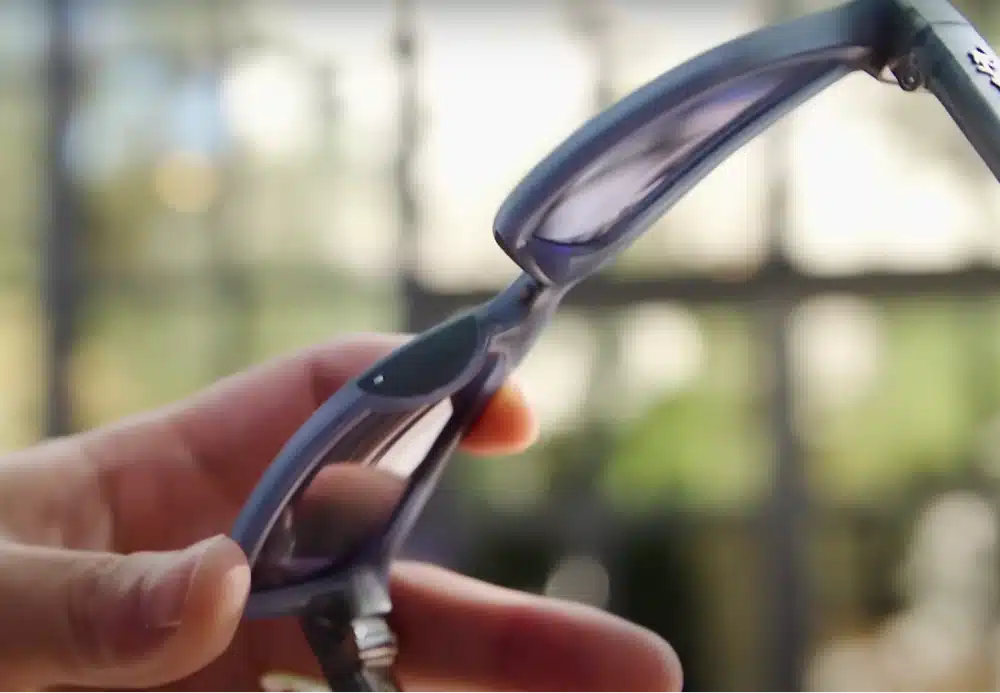
The custom-designed speakers in the Ray-Ban Meta Smart Glasses deliver a superior audio experience. I appreciate the deeper bass, higher maximum volume, and improved directional audio.
Even in noisy or windy environments, my calls, music, and podcasts sound crystal clear, thanks to reduced audio leakage.
Meta AI Integration
Having Meta AI as a conversational assistant is a standout feature. I can ask it questions, look things up, and control the glasses completely hands free with my voice. It adds a lot of convenience to my day.
Longer Battery Life
Battery life was the original glasses’ weakest point. Gen 3’s rating of up to 9 hours is more than double what Gen 1 offered, enough for most of a day of mixed use, with the charging case to top them up when you’re out.
What I Don’t Like About the Ray-Ban Meta Smart Glasses
While I’m genuinely impressed with the Ray-Ban Meta Smart Glasses, there are a few aspects that I’d like to highlight as potential drawbacks:
Price
At $449, Gen 3 costs $150 more than the original Ray-Ban Meta did at launch. That’s a lot for sunglasses, and my main question hasn’t changed: are these glasses ‘smart’ enough to justify the cost? Gen 2 is still on sale if you want most of the features for less.
Battery Life Under Heavy Use
The 9 hour rating assumes typical use. Constant music, calls, or video recording drains the glasses much faster, so heavy users will still lean on the charging case.
Dependency on a Smartphone for Live Streaming
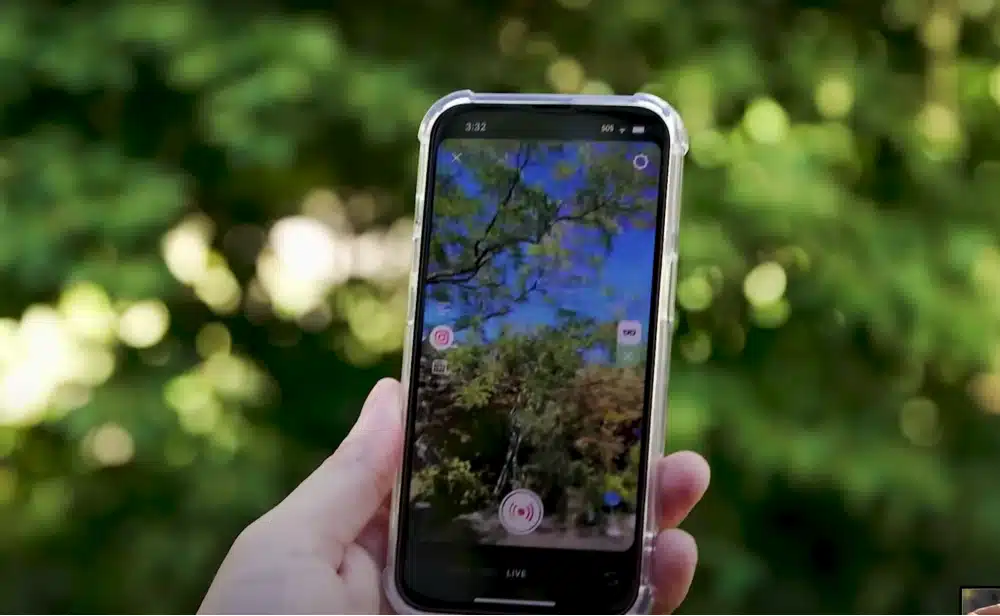
A nearby smart phone is required to enable live streaming from the glasses to platforms like Facebook or Instagram. This may not always be ideal in every situation.
A Camera Not Everyone Is Comfortable With
Some people don’t like being around camera glasses, and some venues don’t allow them. The LED shows when you’re recording, but if that’s a dealbreaker, the camera-free Ray-Ban Meta Audio is the alternative.
Verdict: Should You Buy the Ray-Ban Meta Gen 3?
Gen 3 is the best version of these glasses so far, but it’s an incremental update. I think the decision still comes down to how much you’ll use two of the main features:
Meta AI to talk to your glasses like a virtual assistant
How often you plan on capturing or recording your day
If you see yourself doing these things every day, Gen 3 is worth the $449. For casual users, there’s a lot of other wearable tech to check out, like the phone that already sits in your pocket. If you mainly want audio and Meta AI without a camera, the $349 Ray-Ban Meta Audio costs less. And if you want a display in your glasses, see our list of the best augmented reality glasses.
Ray-Ban Meta Gen 3 FAQ
How much are the Ray-Ban Meta Gen 3 glasses?
The Ray-Ban Meta Gen 3 starts at $449 in the US and CA$559 in Canada. The Kylie Jenner and LISA editions start at $399, and a limited-time Aviator with Transitions lenses costs $579.
When was the Ray-Ban Meta Gen 3 released?
Meta announced the Gen 3 at Meta Connect on September 23, 2026, and it went on sale in the US the same day. It’s also available from Meta’s Canadian store.
What’s the difference between Ray-Ban Meta Gen 2 and Gen 3?
Gen 3 adds one hour of battery life (9 hours vs 8), a sixth microphone, a customizable action button, dynamic photos, Dolby Atmos spatial audio recording, a slimmer frame, and two new styles, Aviator and Zena. Both have a 12 MP camera and 3K video. Gen 3 costs $449, while Gen 2 launched at $379.
How long does the Ray-Ban Meta Gen 3 battery last?
Meta rates it for up to 9 hours of typical use. Continuous music, calls, or recording will drain it faster.
Can you get Ray-Ban Meta Gen 3 with prescription lenses?
Yes. Gen 3 supports prescription lenses, which add to the price.
What can Ray-Ban Meta glasses do?
They take photos and 3K video, play music and podcasts through open-ear speakers, handle calls and messages, and let you ask Meta AI questions by saying ‘Hey Meta.’ You can also live stream to Facebook or Instagram with your phone nearby.
Do Ray-Ban Meta glasses have a display?
No. The Ray-Ban Meta Gen 3 has no screen. Meta’s glasses with a built-in display are the Meta Ray-Ban Display, which cost $799 in the US.
Which Ray-Ban Meta glasses are the newest?
The Ray-Ban Meta Gen 3, released September 23, 2026, is the newest camera model. The camera-free Ray-Ban Meta Audio ships on October 13, 2026.