
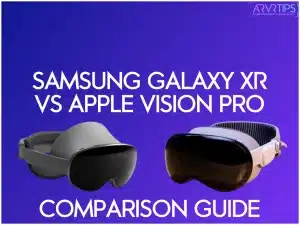
In this Samsung Galaxy XR vs Apple Vision Pro comparison guide, I’ll tell you if the new Android VR headset is better or worse than the latest M5 model of the Vision Pro. I’ll compare all key features, including displays, games, audio, comfort level, and other features!
Quick Comparison of the Samsung Galaxy XR vs Apple Vision Pro
Feature | Samsung Galaxy XR | Apple Vision Pro (M5) |
|---|---|---|
Price (Base Model) | $1,800 (256GB) + $250 optional controllers | $3,500 (256GB); up to $3,900 (1TB) |
Display | 3552×3840 micro‑OLED | 3660×3200 micro‑OLED |
Refresh Rate | 90Hz | Up to 120Hz |
Chipset | Snapdragon XR2+ Gen 2 | M5 + R1 coprocessor |
Operating System | Android XR (Google Gemini) | visionOS |
Battery Life | About 2 hours (external pack) | About 2.5+ hours (external pack) |
Focus | Spatial computing + productivity | |
App Ecosystem | Google Play & Android apps | Apple ecosystem & visionOS apps |
Comfort Design | Rigid frame with open airflow; optional light shields | Soft modular strap; enclosed light seal |
Gaming Support | Strong (controller & app store support) | Moderate (limited game library) |
Value Proposition | High performance at nearly half the price; best for mixed reality and entertainment | Ultimate performance, fluidity, and comfort; best for professionals and Apple users |
Samsung Galaxy XR Overview
The Samsung Galaxy XR Headset was announced on October 22nd and marked Samsung’s most significant push into the mixed reality world. The Galaxy XR is positioned as an alternative to the Apple Vision Pro.
The Galaxy XR is Samsung’s first mixed reality headset and the first major Android XR device to launch, making it a significant entry in the Android XR ecosystem. It features extremely sharp 3552×3840 micro-OLED displays, giving it one of the highest-resolution panels in any standalone headset today. The headset is built for smooth MR experiences, high-quality passthrough, and demanding mixed-reality apps.
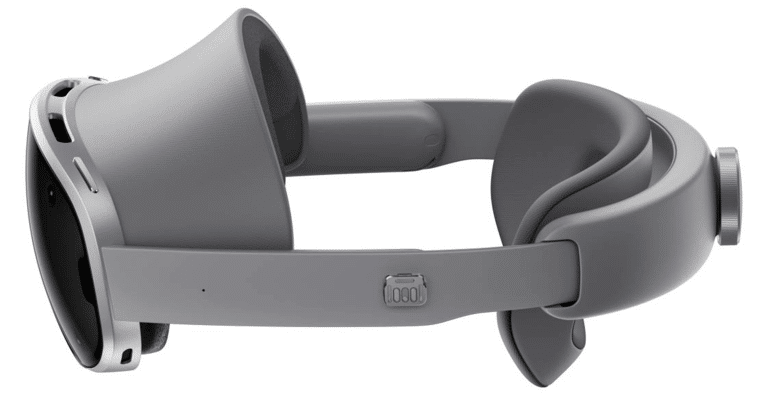
Samsung opts for an external battery pack that provides over 2 hours of use while keeping the headset light on the face. Priced at $1800 for the 256GB model, plus $250 for controller support, the Galaxy XR aims to deliver premium performance at nearly half the price of Apple’s competing Vision Pro.
Early adopters can take advantage of the Explorer Pack bundle, which includes valuable perks such as Google Play Pass, NBA League Pass, YouTube Premium, and Adobe Project Pulsar, adding significant value to Samsung’s headset at launch.
Click here to buy the Samsung Galaxy XR directly from Samsung.
Apple Vision Pro Overview
Apple’s newly refreshed Vision Pro (M5), which launched only a few weeks ago, brings major upgrades over the original model, especially in processing power and the overall smoothness of spatial computing. It features 3660×3200 micro-OLED displays, offering one of the most fluid and cinematic visual experiences available.
The minor 2025 revision top the headset adds in an M5 chip from Apple, which handles intense workloads, advanced multitasking, and real-time sensor data with exceptional efficiency.
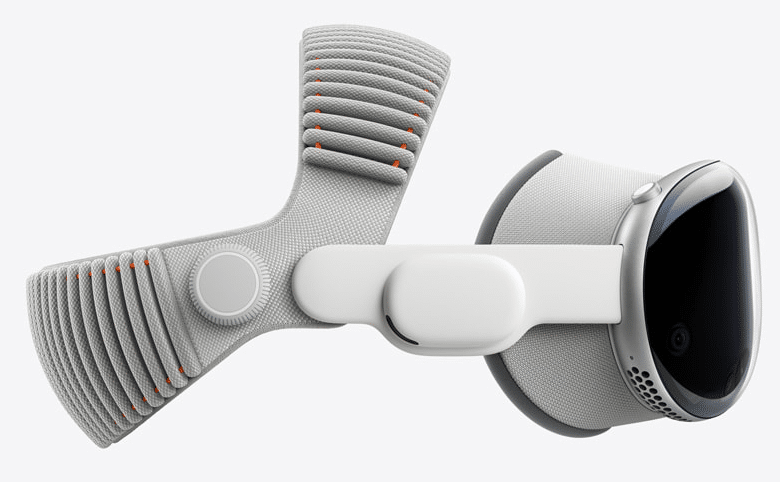
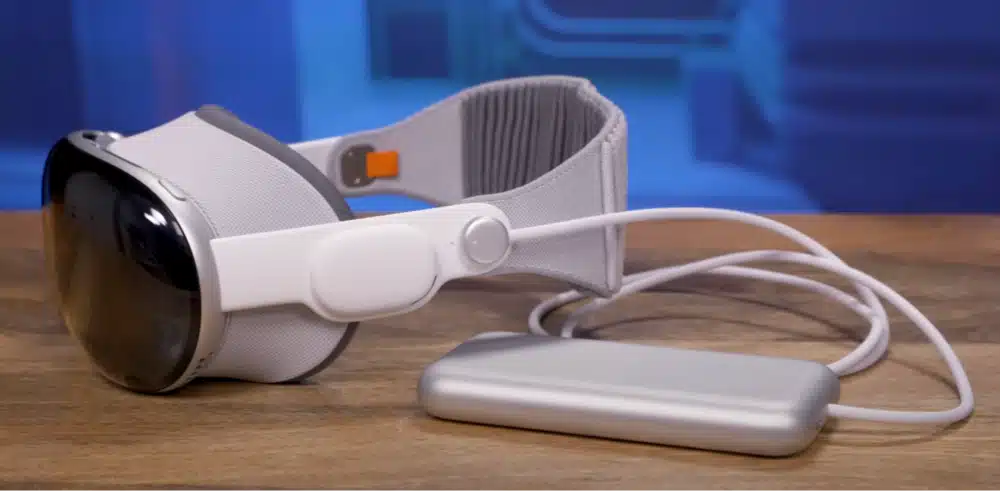
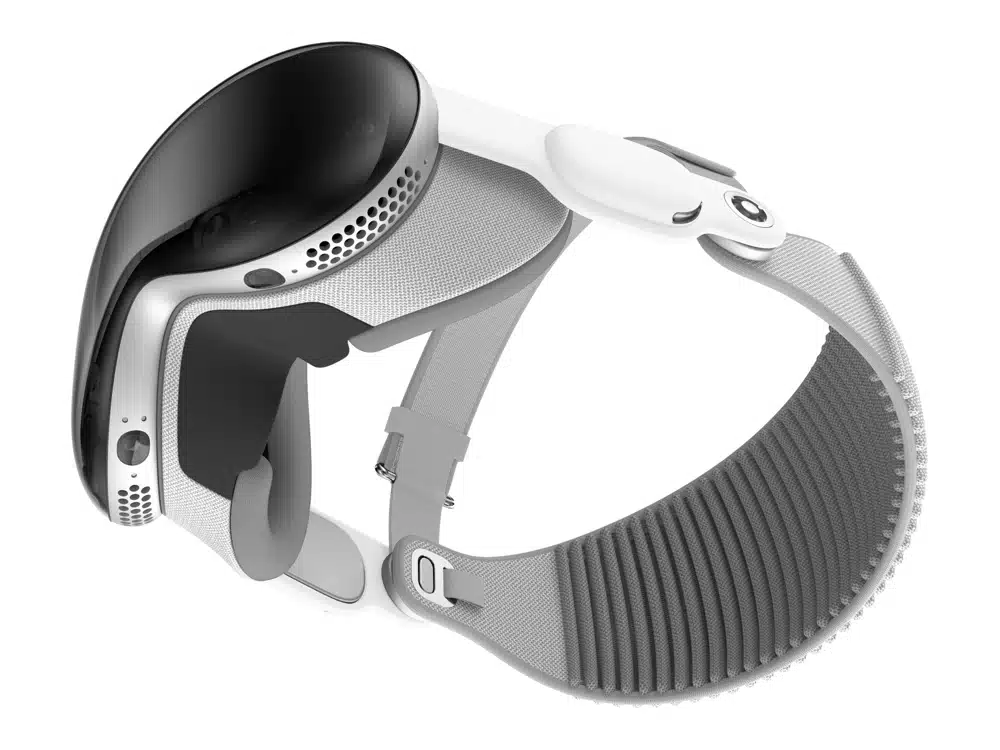
The Vision Pro has a soft, modular strap system and a fully enclosed face pad, giving the headset a premium, comfortable feel. With deep integration into visionOS, the Vision Pro excels in productivity, media consumption, and high-end spatial applications.
Pricing starts at $3500 for the 256 GB model and climbs to $3900 for the 1 TB model, making it a luxury device aimed at professionals and high-end users.
Click here to buy the Apple Vision Pro.
Samsung Galaxy XR vs Apple Vision Pro: Displays
Both headsets use next-generation micro-OLED display hardware, delivering deep blacks, vibrant colors, and razor-sharp image clarity.
Samsung emphasizes pixel density with its 3552×3840 displays, giving users crisp visuals that excel in text clarity, UI detail, and high-resolution video playback. Apple counters with a slightly lower resolution but a superior refresh range, offering 90Hz by default and up to 120Hz for compatible content.
This higher ceiling enables smoother motion, improving action scenes, sports viewing, and high-movement VR content. In terms of field of view, Samsung’s headset offers a wider FOV, enhancing peripheral vision and overall immersion compared to the Vision Pro. Passthrough quality is strong on both devices thanks to high-resolution cameras.
Overall, Samsung has a slight edge in sharpness and peripheral vision, while Apple leads in smoother motion and real-time visuals.
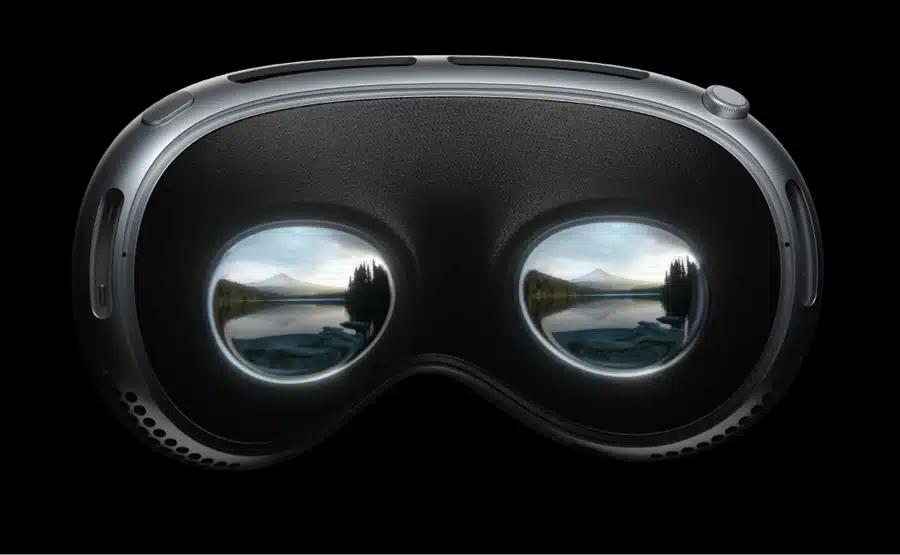
Galaxy XR vs Vision Pro Specs
The Galaxy XR relies on Qualcomm’s Snapdragon XR2+ Gen 2 chip, a modern 4nm processor designed specifically for standalone XR devices. It offers strong performance for gaming, multitasking, and mixed-reality workloads. The Galaxy XR runs on an Android-based operating system, Google Gemini, which influences app compatibility, features like hand and eye tracking, and integration with other devices.
Apple’s Vision Pro uses the more powerful M5 chip alongside the R1 coprocessor, giving it a significant edge in raw CPU/GPU performance, sensor latency, and simultaneous workloads such as spatial multitasking. The M5 chip also supports hardware-accelerated ray tracing. The Vision Pro operates on visionOS, which offers a unique app ecosystem, advanced AI capabilities, and seamless integration with other Apple devices.
Both headsets feature a comprehensive sensor array, including a flicker sensor that helps adapt to variable lighting conditions for improved visual comfort and quality.
Both devices offer 16GB RAM, ensuring smooth performance across apps, but Apple’s processing is more advanced. Storage options differ significantly between the two headsets. Samsung currently offers 256GB, while Apple offers 256GB, 512GB, and 1 TB.
Both devices ship with an external battery pack.
Samsung Galaxy XR vs Apple Vision Pro: Apps and Games
Samsung’s Galaxy XR Headset runs on Android XR (Google), giving it full access to the Google Play Store, developer-friendly APIs, and a wide variety of Android apps, including third-party apps. Users can run multiple apps simultaneously, taking advantage of multitasking features like floating app windows and multi-app integration. This opens the door to more traditional gaming experiences, especially when paired with Samsung’s optional controllers (+$250), and also supports mixed reality functions and hand tracking for intuitive interaction.
Google Maps offers immersive 3D views and AR location walkthroughs, enhancing the overall experience. As part of launch perks, some apps and services offer free access to showcase the device’s capabilities. The Galaxy XR is also well-positioned for entertainment apps and casual MR experiences.
The Apple Vision Pro operates on visionOS, offering deeper integration with Apple. While the Vision Pro does support games, it is not built around gaming the same way Samsung’s platform is. Apple’s strength lies in professional apps, advanced workflow tools, and immersive media.
If your priority is VR gaming and flexibility, Samsung is the stronger option, but if your focus is work, creativity, and premium app quality, the Vision Pro is the better choice.
Samsung Galaxy XR vs Apple Vision Pro: Fit and Feel
Samsung uses a rigid, fixed plastic strap that prioritizes stability and secure placement on the head, ideal for movement-heavy use or controller-based gameplay. Its open-forehead face pad gives better airflow and reduces heat buildup, making the headset more breathable during long sessions. For added comfort and immersion, the Galaxy XR offers optional light blockers and a magnetic light shield, allowing users to control external light and enhance situational awareness.
Apple takes the opposite approach with a soft, modular strap system that emphasizes comfort, allowing users to adjust tension and swap face pads to suit different head shapes. The Vision Pro’s enclosed upper-face design provides a more sealed, immersive feel with its integrated light seal, contrasting with Samsung’s approach to light blockers and shields.
Both devices use external batteries, but Apple’s lasts slightly longer at 2.5+ hours compared to Samsung’s 2+ hours. The Samsung Galaxy XR Headset feels practical and secure for active use, while the Vision Pro feels luxurious and ergonomic.
Why Should You Buy the Samsung Galaxy XR?
You should consider the Samsung XR if you want a high-end mixed-reality headset that offers exceptional value without sacrificing performance. The Samsung XR integrates Google Gemini for advanced, multi-model AI features, providing real-time suggestions that set it apart from competitors. Early buyers also receive Google AI Pro as a limited-time perk, unlocking enhanced AI capabilities and exclusive digital benefits.
The headset delivers extremely sharp visuals, strong processing power, solid tracking, and an open ecosystem at a much more accessible price point. Gamers and entertainment users will also benefit from controller support and compatibility with Android-based games and apps. Its breathable design and lighter on-face weight make it comfortable for active movement and extended play.
Overall, the Galaxy XR stands out among VR headsets as the best option for users who want powerful hardware, gaming flexibility, and premium mixed reality without paying Apple-level prices.
Why Should You Buy the Apple Vision Pro?
The Apple Vision Pro is the right choice for users who want the absolute best spatial computing experience available, especially for productivity, multitasking, and professional creative work. Its advanced eye-tracking system enables precise, intuitive user interaction. These eye-tracking cameras not only enhance immersive experiences but also support security features like scanning for secure login and payments.
The M5 + R1 chip combination delivers incredible power, responsiveness, and fluidity, enabling seamless integration across the Apple ecosystem. The premium build, modular comfort system, and industry-leading passthrough make it ideal for long work sessions and immersive spatial environments. Battery life is also a key consideration, as the Vision Pro is designed for extended use during demanding tasks and media playback.
With the largest and most polished app ecosystem in the mixed-reality space, the Vision Pro excels in high-end use cases like virtual desktops, 3D design, video editing, and cinematic media consumption.
If you prioritize premium quality and advanced workflows, and price is not a concern, the Vision Pro is the clear choice when these headsets are compared.
Quick Recommendation Matrix: Which VR Headset Should You Buy?
- Choose Samsung Galaxy XR if: you want better price-to-performance, strong gaming and MR, Android/Google services, and an open app ecosystem.
- Choose Apple Vision Pro (M5) if: you want the most premium spatial computing experience, use Apple devices, and care most about productivity, workflows, and polished media.